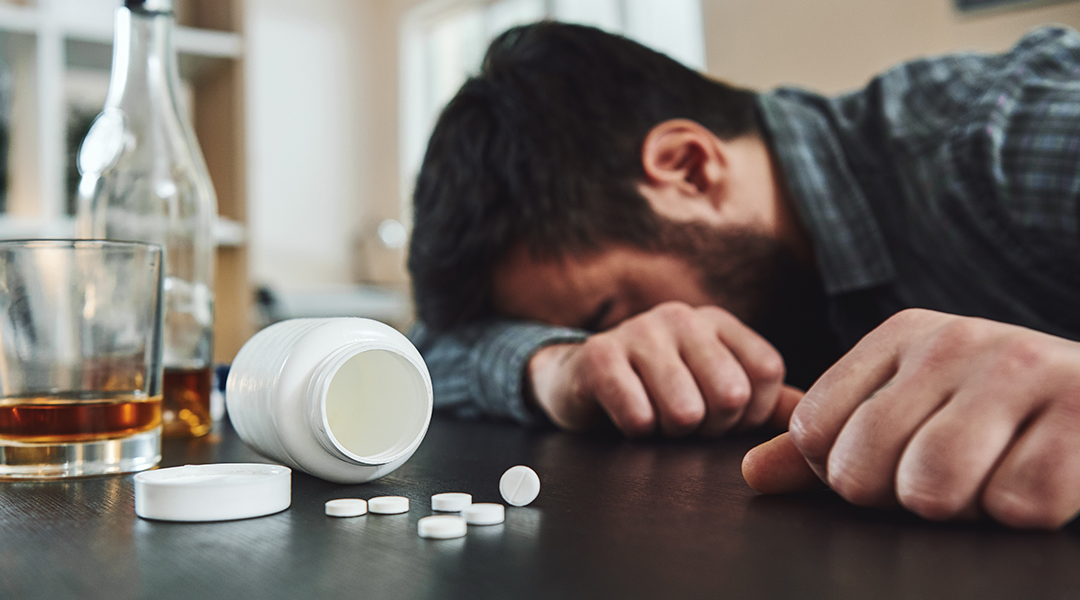
If you or someone you care about has concerns about binge drinking, abusing prescription medication, or taking illicit substances, please know you are not alone. Many people feel misunderstood, judged, or isolated simply for having these challenges. Society often labels or blames those affected by alcoholism or addiction, making it even harder to reach out for the support everyone deserves.
However, the truth is that addiction and alcoholism are not signs of weakness, poor character, or moral failures. These are complex health conditions, genuine illnesses that impact the brain and body. With empathy, understanding, and high-quality care, healing and recovery are within reach. At Modern Psychiatry and Wellness, we are dedicated to providing compassionate, expert support for every step of your journey.
Understanding Addiction and Alcoholism: Beyond Myths and Judgment
What do we mean when we say “addiction” or “alcoholism”? These terms can bring up stigma and misunderstanding, and that can make it hard to see the real issue, or to ask for help. Addiction and alcoholism both describe patterns where a person repeatedly uses a substance (like alcohol, medications, or other drugs) in ways that eventually become hard to control, even as those choices cause problems in life.
It’s easy to internalize myths, like:
In reality, addiction and alcoholism are medical conditions. They change how the brain works, particularly the systems that control reward, motivation, and self-control. No one chooses to develop these conditions, just as no one chooses to develop diabetes or asthma. Believing otherwise only adds to the shame and can prevent people from getting the help they deserve.
Stigma, or the negative attitudes and beliefs about these conditions, hurts everyone. It keeps people isolated, afraid to talk openly about their struggles, and less likely to seek support early. Compassion and understanding break down these barriers and help us see addiction for what it is, a health issue that needs care, not condemnation.
The Science: Addiction and Alcoholism as a Health Condition and Brain Illness
Let’s explore what actually happens in the brain. Substance use interacts with our brain’s reward system. When a person drinks alcohol or uses certain drugs, it produces a surge of dopamine, a neurotransmitter tied to pleasure and reward. Over time, the brain gets used to this extra dopamine, and natural levels of pleasure or reward become harder to achieve. This shift can change motivation, judgement, and self-control, making it difficult to stop using even when someone wants to.
Addiction and alcoholism share important similarities with other ongoing health conditions. For example:
- They require management: Like diabetes or high blood pressure, substance use concerns may require ongoing attention and support, but people can and do get better.
- They have many causes: Genetics, life experiences, and environment all play a role just as they do with other physical and mental health conditions.
- Support makes a difference: Healing usually involves a combination of medical care, changes in daily habits, and encouragement from family, friends, or support groups.
This understanding is vital. Addiction and alcoholism are not choices or evidence of a bad character. They are chronic, treatable health issues that affect millions of people.
Why Judgment and Stigma Don’t Help and What Does
It’s common to have mixed feelings or even uncertainty when it comes to talking about drinking or substance use. Many people hesitate to reach out for help, not because they aren’t trying hard enough, but because they’re worried about being misunderstood or judged. It’s okay if you aren’t sure how to describe what you’re experiencing, or if you wonder whether your concerns are valid enough to seek support.
Stigma and judgment can lead to:
- Avoiding important conversations out of fear of being misunderstood or labeled
- Increased feelings of guilt or isolation
- Waiting too long to seek support, making challenges even harder to manage
You are not alone in these feelings:
- Most people have doubts or hesitations and worry about being seen differently
- Everyone’s experience with substances and recovery is unique, there’s no “one size fits all” story
What truly helps is compassion:
- Supportive family, friends, and health professionals make it easier to open up
- Self-compassion goes a long way, recognizing that reaching out takes real courage
Hope and Healing: How Treatment Helps
With the right care and support, addiction and alcoholism are highly treatable. Everyone’s recovery process looks different, but many evidence-based treatments are available:
Therapy:
Individual, group, and family counseling can help uncover and address underlying issues, teach healthier coping strategies, and provide safe support.
Medication-Assisted Treatment (MAT):
For some, certain medications can reduce cravings, ease withdrawal, and protect against relapse—working together with therapy for best results.
Holistic and Peer Support:
Wellness activities, support groups, and relapse prevention planning help nurture the whole person and build connections critical for recovery.
It’s important to know that recovery is a journey, not a single event. Ups and downs are normal, and every step toward wellness counts. Many people who once struggled with substances now live rich, fulfilling lives.
Modern Psychiatry and Wellness: Compassionate Care That Makes a Difference
At Modern Psychiatry and Wellness, we recognize that everyone’s experience is unique. Our team offers understanding and personalized assessments that focus on your strengths and needs, not your labels.
If you think you might be struggling with substance use, or if you are worried about someone you love, please know that help is always available. Reaching out is a brave and positive step, and you will be met with compassion and expertise every step of the way.