If you’re struggling with addiction, alcoholism, or concerns about relapse, it’s natural to feel uncertainty and confusion along the way. Your experiences are valid, your struggles are real, and help is within reach. No matter where you are on your journey, whether you’re just beginning to question or ready to seek support, you don’t have to do it alone. Change can begin with a single step, and we’ll be with you every step of the way.
1. What Is Addiction and Alcoholism?
If you’re unsure what addiction or alcoholism really means, you’re not alone. It’s more than a textbook definition. It’s when alcohol or drugs begin to take control of your thoughts, routines, and choices, and daily life begins to feel impossible without them.
- You might find yourself hiding your drinking or drug use, even from those closest to you.
- Promises to stop may be replaced by regret, shame, or the need to use again.
- You may not recognize the person you’ve become.
Telltale signs of alcoholism and addiction include:
Alcohol
Alcohol
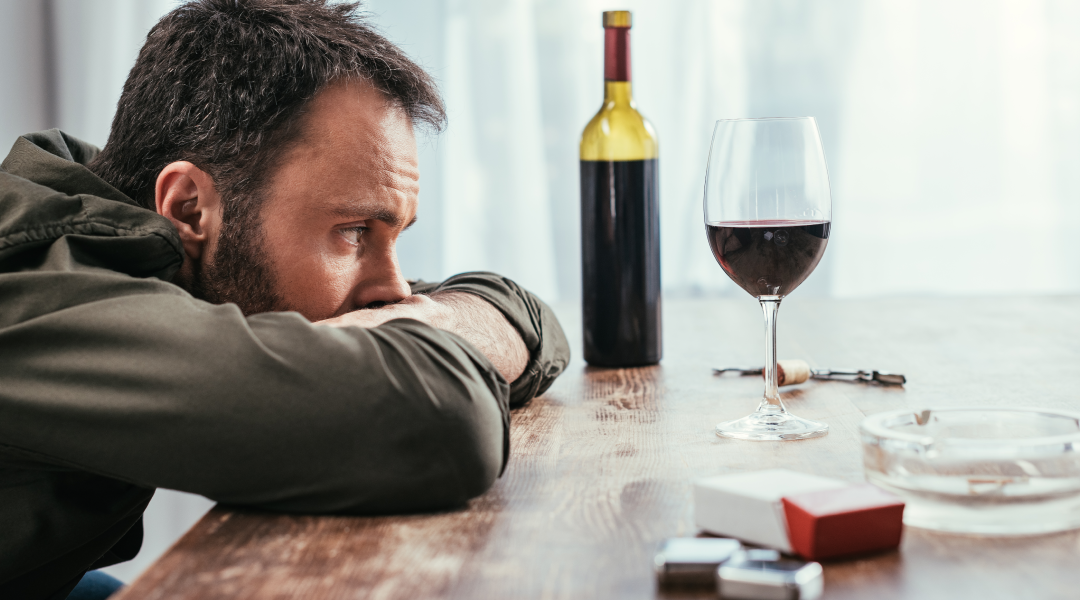
When drinking feels out of your control, even when you want to cut back.
Prescription Medication
Prescription Medication
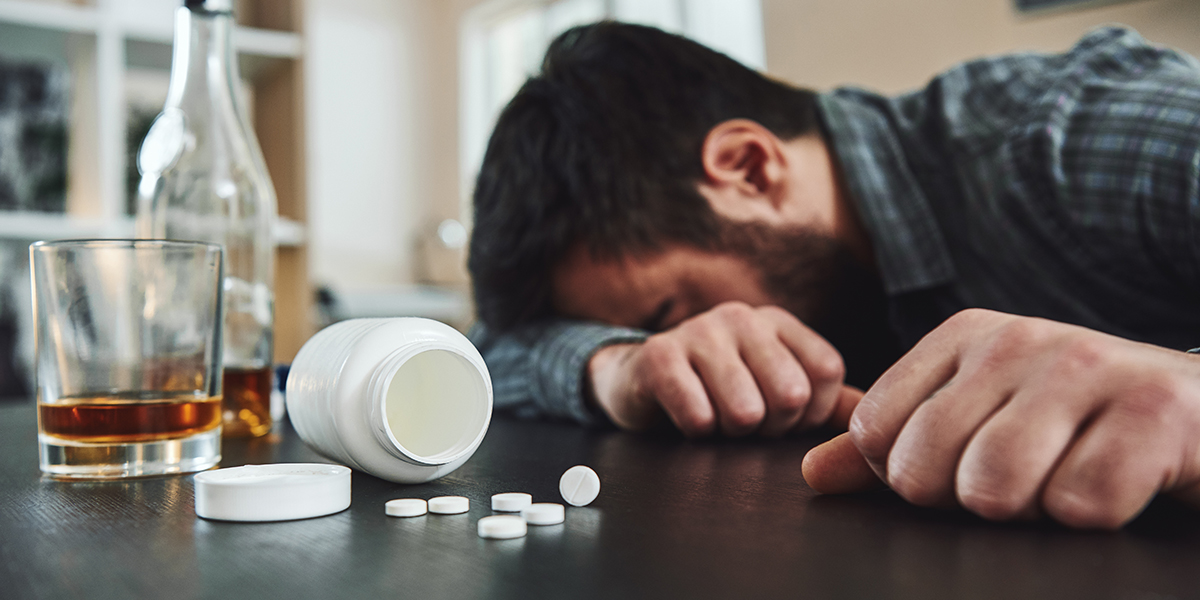
Taking pills like painkillers or benzodiazepines in ways that aren’t prescribed and can sometimes feel hard to stop.
Recreational or Illegal Drugs
Recreational or Illegal Drugs
Using drugs like heroin, cocaine, or meth in ways that become hard to control.
Every person’s journey is unique. The challenges you face, the pain you carry, and the hope you hold are all important and valid. You are not defined by your struggles, and your story matters. It’s okay to reach out for help, there is support and understanding available whenever you need it.
2. Who Can Be Affected?
It’s easy to believe addiction “could never happen to me.” But the truth is, addiction doesn’t discriminate. It can touch anyone, regardless of your age, background, or circumstances:
- Maybe you’re a student managing stress.
- A professional juggling family and career.
- A parent shouldering responsibilities.
- Or someone in retirement, facing a new stage of life.
Stigma and silence keep too many people from reaching out. By breaking stereotypes and speaking openly, we can create safer spaces for everyone to get help, free from shame and judgment.
3. How You May Be Feeling: Recognizing the Signs
Addiction and alcoholism are hardships that can affect anyone, often in ways we’d never expect or want. If you recognize yourself in these feelings or changes, it doesn’t mean you’re weak, just human.
It’s natural to experience challenging emotions when you’re struggling with substance use. You might notice feelings like:
- Shame or self-blame about how things have unfolded.
- Fear about what others might think, or uncertainty about the future.
- Anxiety around keeping up appearances or feeling the need to hide your use.
- Guilt over how your actions may affect the people you care about.
- Hopelessness, as though real change is out of reach.
These feelings often come alongside other changes, such as:
- Sudden mood swings or increased irritability
- Withdrawing from friends, family, or activities you used to enjoy
- Taking risks or making choices that don’t feel safe
If you see these signs in yourself or a loved one, know that support is available and you deserve it, without judgment.
4. You’re Not Alone: Understanding and Preventing Relapse
If you’re worried about relapse, you’re not alone. Many people in recovery share this fear, but a setback does not erase your progress or mean you’ve failed.
Relapse is a common and sometimes expected part of the recovery journey. It can happen for many reasons, such as high stress, emotional pain, being around old triggers, major life changes, or letting self-care fall by the wayside. But remember, recovery is not a straight line. What matters most is how you respond; with self-compassion, learning, and renewed support.
There is always hope and change is always possible.
You can take real steps to lower your risk of relapse and strengthen your recovery:
- Identify your triggers: Notice the people, places, and situations that trigger cravings or urges to use.
- Use coping strategies: Practice mindfulness, breathing exercises, and grounding techniques. Having a daily routine can also help reduce stress.
- Reach out, don’t isolate: Even when it feels difficult, connecting with others like: friends, therapists, or support groups really helps.
- Create a relapse prevention plan: Write down your personal triggers, warning signs, and the specific actions you’ll take if you start to struggle.
- Make self-care a priority: Good sleep, nutrition, and engaging in safe, meaningful activities help build your resilience.
- Know your resources: Keep crisis helpline numbers, your care team, and trusted supporters within easy reach, just in case. (Crisis help line: 988)
6. How Modern Psychiatry and Wellness Supports Your Recovery
You don’t have to figure this out alone. Our team at Modern Psychiatry and Wellness is dedicated to supporting your entire recovery journey.
7. You Deserve Support: Take the Next Step
No matter where you are right now, recovery is possible. You’re not alone, and you’re never too far gone to reach out.
If you’re ready for change, or even just curious about what help might look like, Modern Psychiatry and Wellness is here for you. Every story can change, and yours matters.
Reach out today for confidential, judgment-free support.