May is Mental Health Awareness Month, a time to break stigma, encourage open conversations, and recognize that mental wellness matters for everyone. In this post, we’ll explore what Mental Health Awareness Month is all about, why it matters, and simple, practical ways to support your emotional wellbeing. Your mental health is just as important as your physical health, and prioritizing it can improve how you feel, work, and connect with others. Taking care of your mental health isn’t selfish; it’s one of the most meaningful investments you can make in yourself.
What Is Mental Health Awareness Month?
Every May, communities across the country come together to raise awareness about mental health. This tradition started in 1949 and has grown into a nationwide movement to educate, support, and encourage open conversations about mental wellness.
Mental Health Awareness Month helps:
- Reduce shame and stigma around mental health conditions
- Encourage people to learn about the signs of mental health struggles
- Promote resources and support for those who need help
- Remind us that mental health care is for everyone, not just those with a diagnosis
You don’t need to be in crisis to pay attention to your mental health. This month is for anyone who wants to feel better, build healthier habits, and learn how to support themselves and others.
Why Mental Health Awareness Matters
1. Breaking the Stigma
Shame, embarrassment, and fear of judgment often make it difficult to talk openly about mental health. These barriers affect both adults and youth and can prevent people from seeking the support they need. But struggling with your mental health doesn’t mean you’re weak, it means you’re human. Breaking the stigma starts with recognizing that asking for help is a sign of strength, not weakness.
Stigma remains one of the greatest obstacles to mental wellness, but meaningful change often begins with small, everyday actions, such as:
- Checking in on a friend or loved one
- Sharing your own experiences when you feel comfortable
- Listening with empathy instead of trying to “fix” the problem
- Choosing words that show compassion rather than shame
Open, honest conversations help reshape how we view mental health. When it’s treated as a normal part of overall wellbeing, people feel safer speaking up and seeking help. Talking openly about struggles also encourages others to do the same, fostering stronger connections and a greater sense of understanding.
2. The Current Mental Health Landscape
Mental health challenges are more common than many people realize. In recent years, rates of anxiety, depression, and other mental health conditions have continued to rise, especially among youth and young adults. Factors like social media, global events, and everyday stressors affect people of all ages.
Here’s what the current landscape looks like:
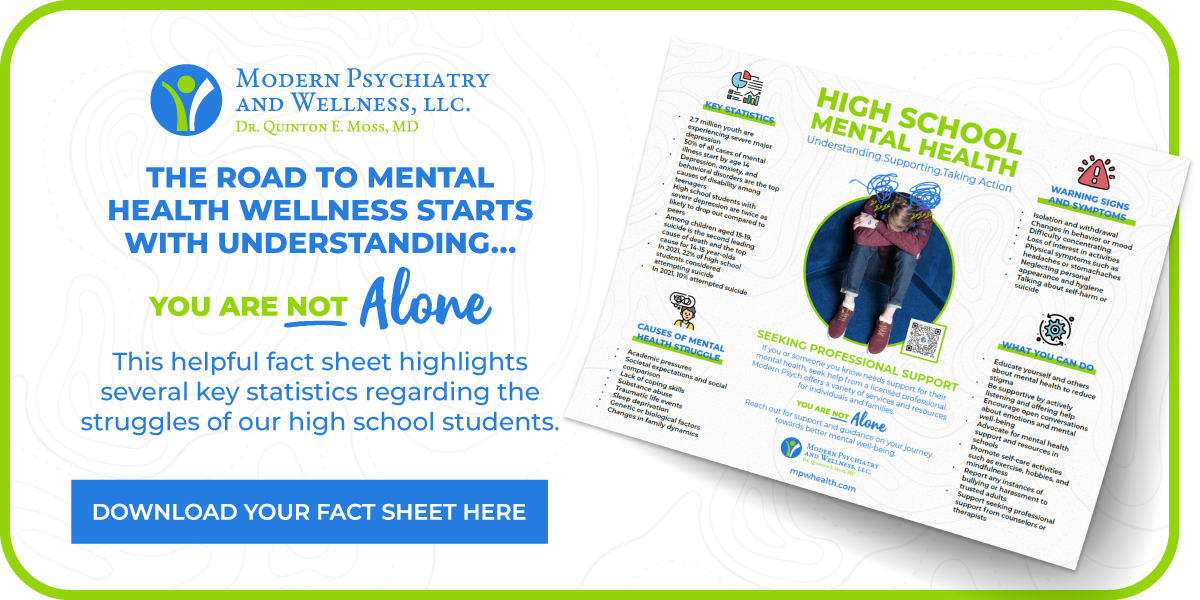
- 40% of high school students report persistent feelings of sadness or hopelessness
- Anxiety and depression rates continue to climb among adults
- Social media, world events, and daily pressures contribute to increased stress and emotional strain
- Access to mental health care remains limited for many individuals and families
These realities highlight why Mental Health Awareness Month matters. If you’re struggling, you’re far from alone and support, understanding, and help are available.
3. Mental Health Is Health
Your brain is part of your body, and taking care of it is just as important as caring for your heart, lungs, or any other organ. Mental wellness affects every area of your life, from your relationships to your work to your physical health.
Mental and physical health are deeply connected. For example:
- Anxiety and depression can affect sleep, energy levels, and even the immune system
- Stress and poor mental health can contribute to physical health concerns over time
- Early support and intervention often lead to better outcomes and faster recovery
When you prioritize your mental health, you’re investing in your whole self. There’s no shame in seeking support; it’s one of the bravest things you can do.
Recognizing the Signs
Sometimes it’s hard to know when everyday stress has turned into something more serious. Recognizing the signs of mental health struggles in yourself or someone you love is the first step toward getting help. While the pressures may look different for adults and youth, many warning signs are universal.
Signs To Look Out For:
- Persistent sadness, anxiety, irritability, or anger that doesn’t go away
- Withdrawing from activities, hobbies, or loved ones
- Low energy, fatigue, or difficulty concentrating
- Changes in sleep—sleeping too much or too little
- Shifts in appetite or weight
- Feeling hopeless or overwhelmed
- Mood swings or frequent emotional outbursts
- A drop in performance at work or school
- Loss of interest in things once enjoyed
- Pulling away from family and friends
If you notice these signs in yourself or someone you care about, it may be time to reach out for support; you don’t have to wait until things feel unbearable. Staying connected and checking in regularly can make a big difference. And if you’re a young person reading this, know that what you’re feeling is valid and help is available.
How to Take Care of Your Mental Health
Taking care of your mental health doesn’t have to be complicated. Small, consistent actions can have a big impact on how you feel day to day.
Prioritize self-care:
Make time for rest, movement, and activities that bring you joy
Set boundaries:
It's okay to say no and protect your energy
Check in with your feelings:
Notice how you're doing and give yourself permission to feel
Build a support system:
Surround yourself with friends, family, or professionals who lift you up
Stay consistent with treatment:
If you're working with a therapist or taking medication, stick with your plan
Limit screen time and social media:
Take breaks and curate your feeds to support your wellbeing
Mental wellness is a journey, not a destination. Some days will be harder than others, and that’s okay. What matters most is that you keep showing up for yourself.
How Modern Psychiatry and Wellness Can Help
At Modern Psychiatry and Wellness, we believe everyone deserves compassionate, expert mental health care. Whether you’re an adult seeking support or a parent looking for help for your child, our team is here for you.
Mental Health Awareness Month is a powerful reminder that your wellbeing deserves attention, not just in May, but every day. Whether you’re just beginning to explore your mental health or you’ve been on this path for a while, know that every step forward matters. You don’t have to face this journey alone.
Ready to take the next step? Contact Modern Psychiatry and Wellness today to schedule your appointment.